Prolonged droughts, erratic rainfall, and rising temperatures are altering the reality of Honduran farmers. What was once an isolated occurrence has now become a constant threat to thousands of rural families who rely on agriculture for their food and income. Given this situation, the adoption of agricultural technology has shifted from being merely an option to becoming an urgent necessity.
In response to these challenges, the Government of Honduras, through the Integrated Rural Development and Productivity Project (SAG-ProOccidente), is helping prepare small farmers to cope with the effects of climate change. This initiative focuses on adopting climate-smart technologies to strengthen resilience and safeguard agricultural production against extreme weather events.
The need is clear. Honduras is part of the Central American Dry Corridor, one of the regions in Latin America most vulnerable to climate change, where thousands of families face recurring agricultural losses each year due to drought, water stress, and the degradation of productive resources. Climate prediction models indicate that dry spells could intensify and become more frequent in the coming years, directly affecting water availability and food security.
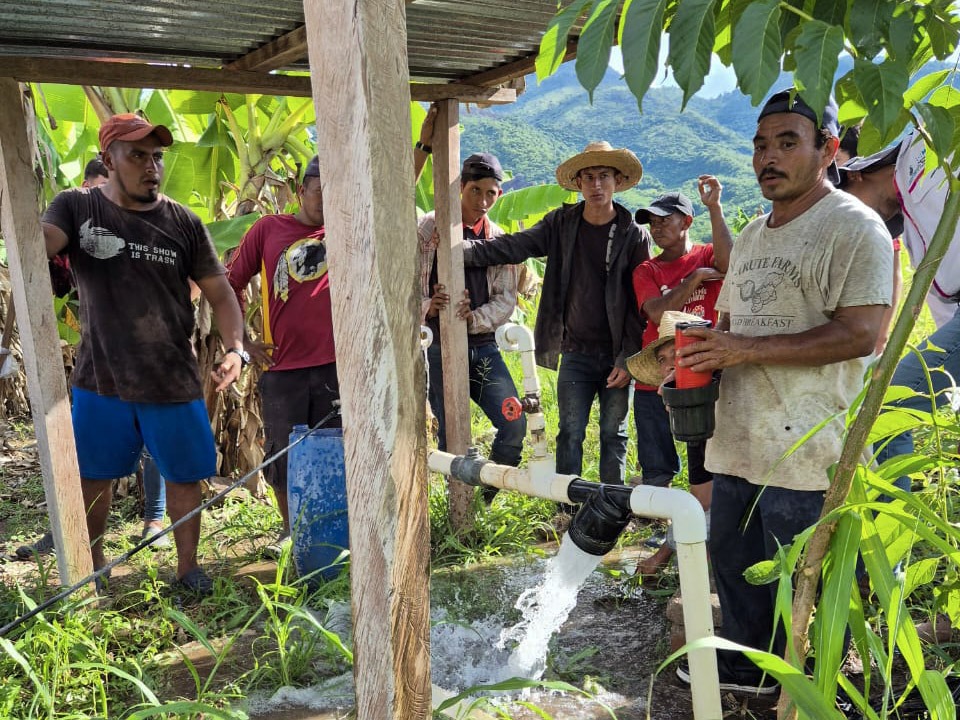
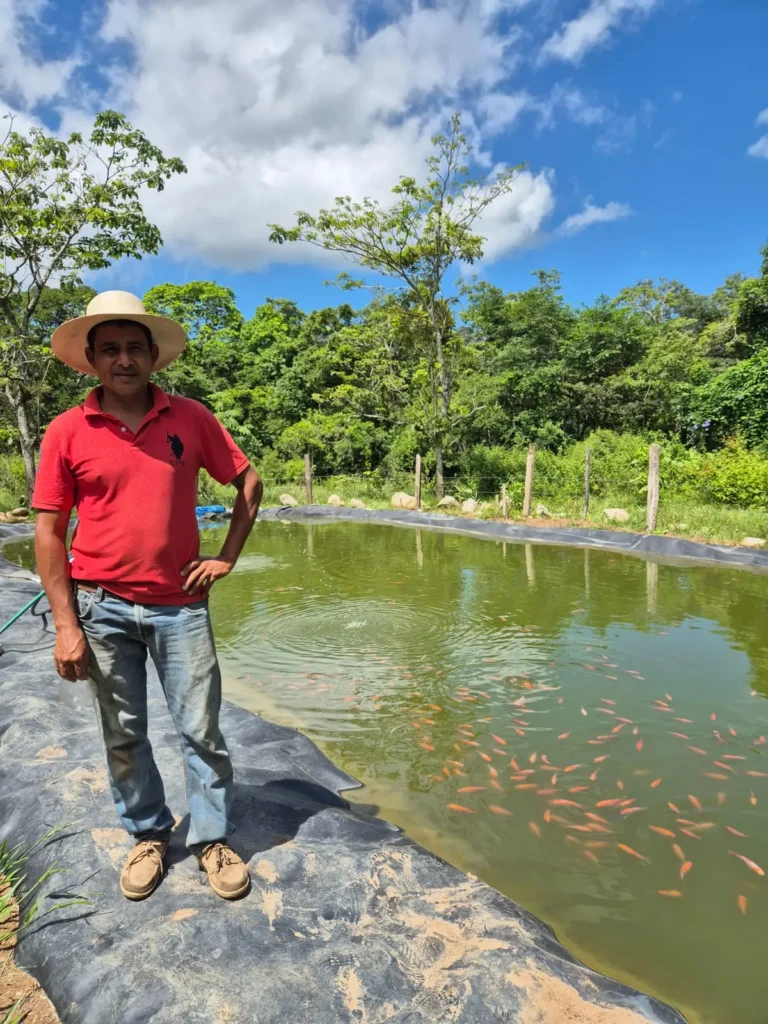
Recognizing this reality, the SAG-ProOccidente Project is taking steps to strengthen the resilience of small farmers in the Dry Corridor of Honduras. In April and May, the project delivered 289 drip irrigation systems and 100 geomembrane-lined water reservoirs.
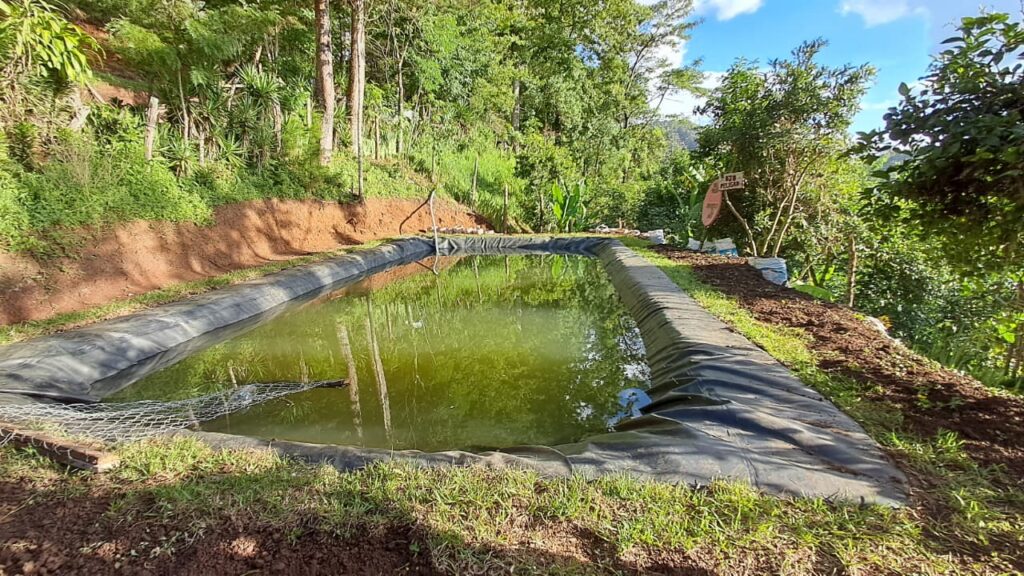
Irrigation systems enable efficient water use, reduce losses, and maintain crop productivity during dry spells. Meanwhile, reservoirs facilitate water storage and conservation, ensuring availability during critical periods and reducing reliance on increasingly unpredictable rainfall. These investments represent far more than mere infrastructure; they serve as vital tools for enhancing the ability of producers and their communities to adapt to changing climatic conditions.
The results reflect the far-reaching impact of this intervention. More than 2,600 producers have received climate-smart technologies. Nearly 5,500 producers (38% women and 23% youth) organized into 157 producer groups have approved investment plans, which secure their climate-smart technologies and, thereby, strengthen the productivity, sustainability, and adaptability of their agricultural systems.
However, the transformation goes beyond the mere delivery of technologies.
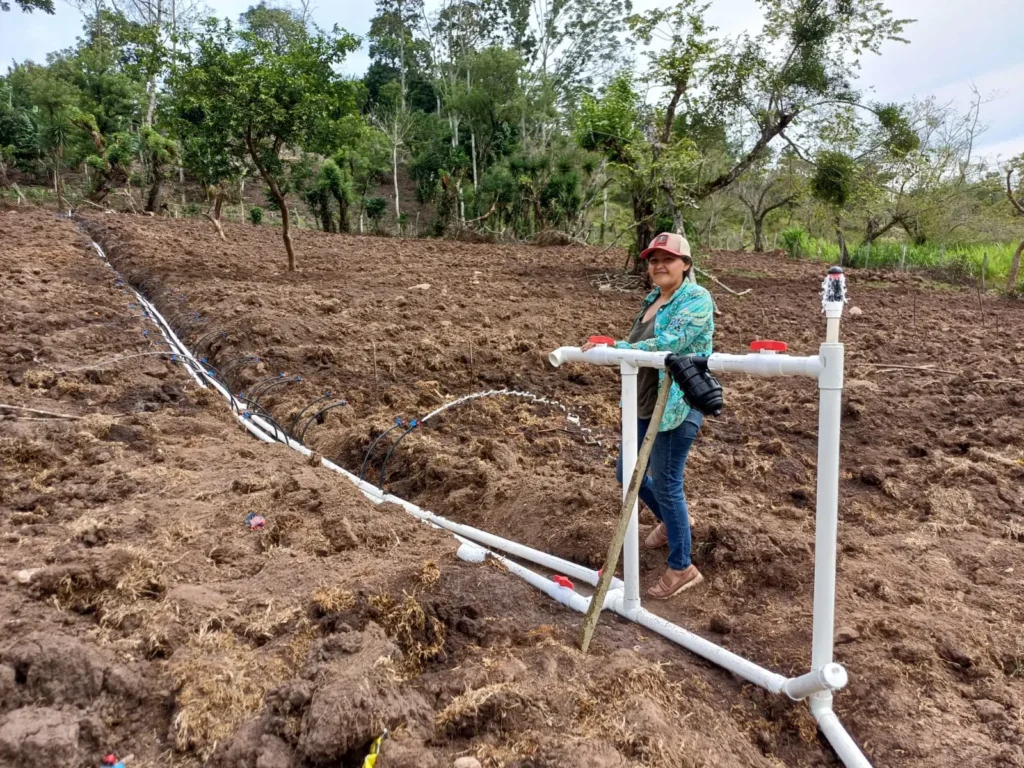
The SAG-ProOccidente project provides on-site technical assistance so that producers can learn by doing. This builds capacity in the application of good agricultural practices, including agroforestry systems, integrated pest management, sustainable natural resource management, and climate change adaptation.
The vision is clear: it is not just about responding to drought, but also about preparing rural communities for a future where difficult weather events will become increasingly frequent and intense.
Behind every installed irrigation system and every reservoir provided lies a commitment to increasing the production, income, and well-being of rural Honduran families. Because facing climate change no longer means simply reacting to emergencies; it means anticipating, innovating, and building resilience starting today.
ABOUT SAG-PROOCCIDENTE
SAG-ProOccidente is a five-year project implemented by ACDI/VOCA and led by Honduras’s Secretariat of Agriculture and Livestock (SAG). SAG-ProOccidente works with multiple partners, including local producers, the private sector, indigenous organizations, and small and medium enterprises, to build sustainable economic and climate resilience and reduce migration out of the country, promoting self-reliance through local ownership.
SAG-ProOccidente is providing technical assistance and training to more than 10,000 agriculture and livestock producers across six departments and 88 municipalities by helping them adopt new climate-smart technologies and practices and improving their access to finance.
Activities take place in the western departments of Santa Bárbara, Copán, Ocotepeque, Intibucá, Lempira, and La Paz, focusing on horticulture, fruit, coffee, cacao, dairy cattle, and those related to cultural products of ethnic origin.
The project is funded by the Inter-American Development Bank (IDB) and the Spanish Agency for International Development Cooperation (AECID) through the Spanish Fund for Sustainable Development (FEDES).
Learn more about SAG-ProOccidente.
Learn more about our work in Honduras.