ACDI/VOCA has implemented programs in Honduras since 1966, beginning with efforts to strengthen farmer cooperatives and livestock businesses. Since then, our programs have opened doors to jobs, financing, and entrepreneurship, reducing the pressures that drive people to migrate. From training workers in the tourism sector to promoting climate-smart agriculture, today we partner with communities to grow better harvests, create new enterprises, and generate lasting employment. These efforts translate into tangible results for farmers and rural families.
Our History in Honduras
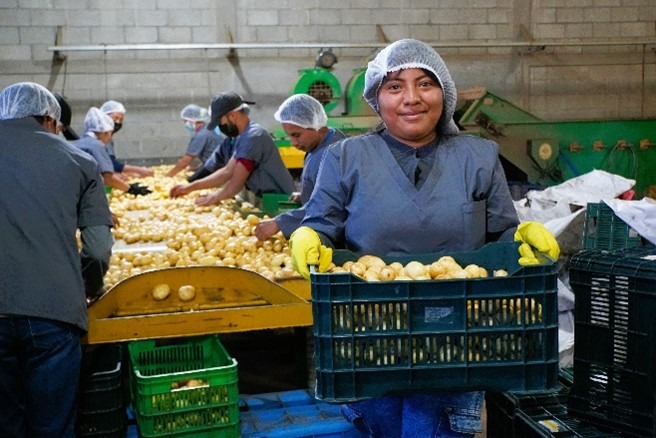
Helping rural communities become climate resilient and food secure
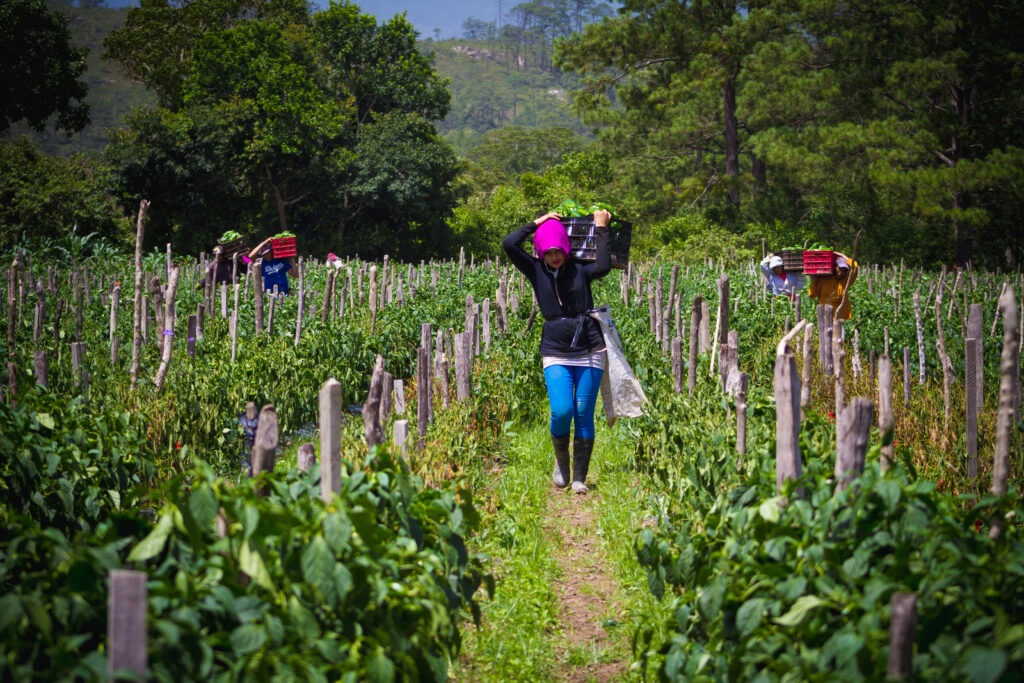
In the last 20 years, our programs have focused on supporting Honduran farmers, equipping them with climate-smart tools, training, and financing to boost productivity. Through local ownership and investments in water governance, we are building the foundation for a future where rural families can thrive sustainably without a dependence on foreign aid.
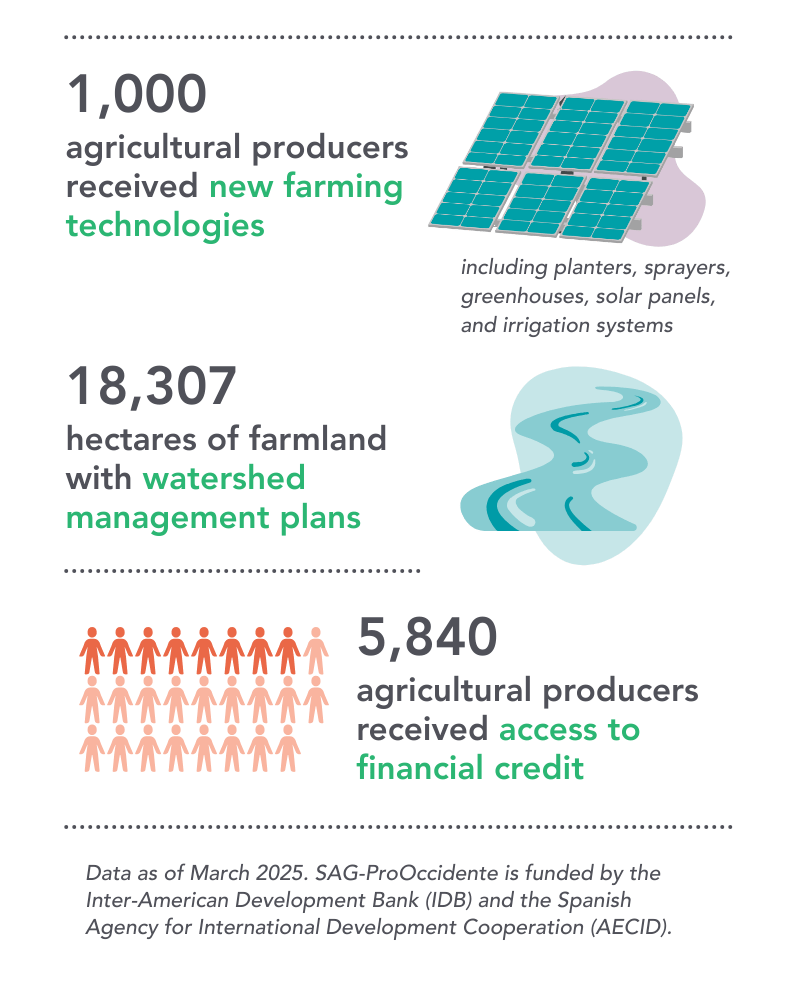
Since 2023, the Integrated Rural Development and Productivity Project (SAG-ProOccidente) has been helping improve the incomes and resilience of rural households in the Honduran Dry Corridor, a vital food-producing region facing severe climate challenges.
We empower farmers, producer groups, Indigenous organizations, small- and medium-sized enterprises (SMEs), and the private sector to improve their crop productivity and food security, while also taking ownership of these efforts. Through this project communities are developing watershed management plans to ensure their access to clean drinking water and irrigation.
Through the Secretariat of Agriculture and Livestock (SAG), SAG-ProOccidente is a key driver of sustainable development. In two years, it has supported more than 10,000 agricultural and livestock producers across six departments. The project is funded by the Inter-American Development Bank (IDB) and the Spanish Agency for International Development Cooperation (AECID) through the Spanish Sustainable Development Fund (FEDES).
From 2021 to 2025, the Feed the Future Honduras Sustainable Agribusiness Activity, funded by USAID, boosted agricultural productivity for thousands of Hondurans, Despite the U.S. government terminating the program one year before its planned completion, the activity achieved US$371 million in sales (surpassing its goal of US$119 million) and leveraged US$125 million in private investment and financing.
Farmers gained access to credit, irrigation systems on more than 1,000 hectares, and climate-smart technologies adopted by 11,308 producers. Farmers also improved their soil health through 32 bio-input facilities, producing more than 100,000 metric tons applied across 95,000 hectares and generating US$12.4 million in sales. The activity created 44,765 jobs, prioritizing employment for youth and women, and strengthened market linkages to make the coffee and fruit and vegetable sectors more competitive and sustainable.
In Honduras, as in many parts of the world, smallholder farmers often struggle to secure loans due to a lack of traditional collateral or credit history. From 2005 to 2010, the Millennium Challenge Corporation-funded Farmer Access to Credit (Acceso a Crédito para Agricultores) project facilitated $12 million in loans to more than 5,400 farmers, agribusinesses, and others working in the horticulture industry. These loans allowed farmers to invest in better fertilizers, seeds, and equipment to improve or expand their enterprises.

Strengthening tourism and other sectors for lasting employment
Tourism is a powerful engine for economic growth in Honduras. By strengthening this and other creative sectors, our programs created lasting jobs and opportunities to help communities thrive.
The USAID/Honduras Transforming Market Systems Activity motivated tourists to visit and spend in Honduran destinations, while delivering the resources needed by entrepreneurs to create attractive experiences. It also established institutional and legal environments that improved the ease of doing business in the country.
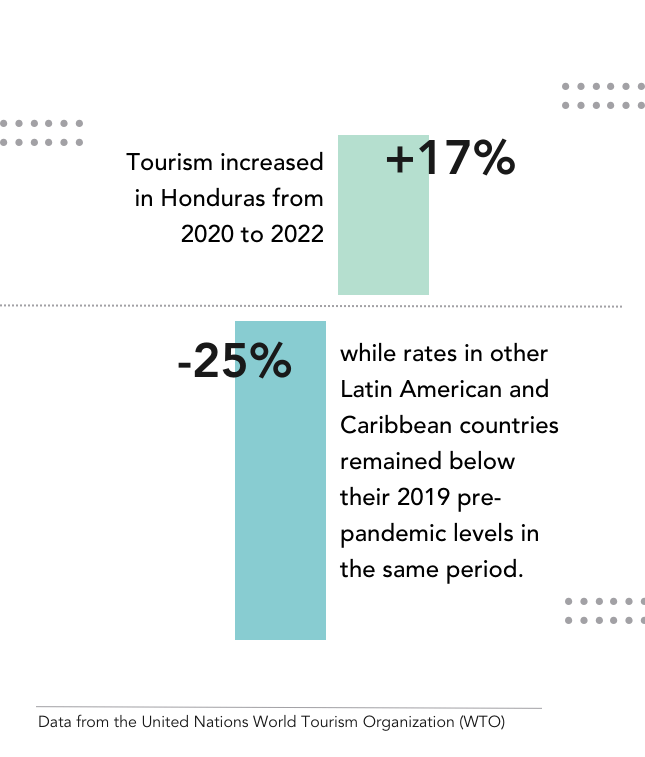
When the economic slowdown of the COVID-19 pandemic took effect, the activity had already developed deeps roots and saw tourism grow beyond pre-pandemic levels compared to similar tourism destinations in Latin America and the Caribbean.
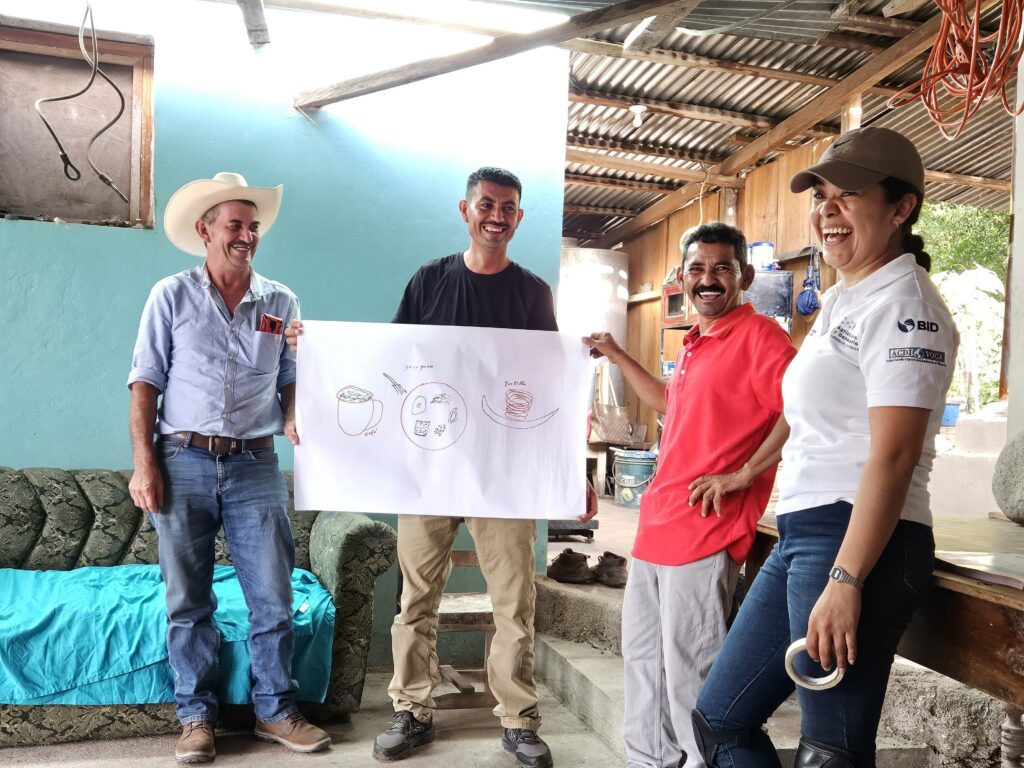
Creating lasting employment to reduce migration
Honduras is one of the main countries of origin for irregular migration to the United States. By fostering systemic changes and economic opportunities, our programs help raise Honduran households above the poverty line, reducing the need to migrate.
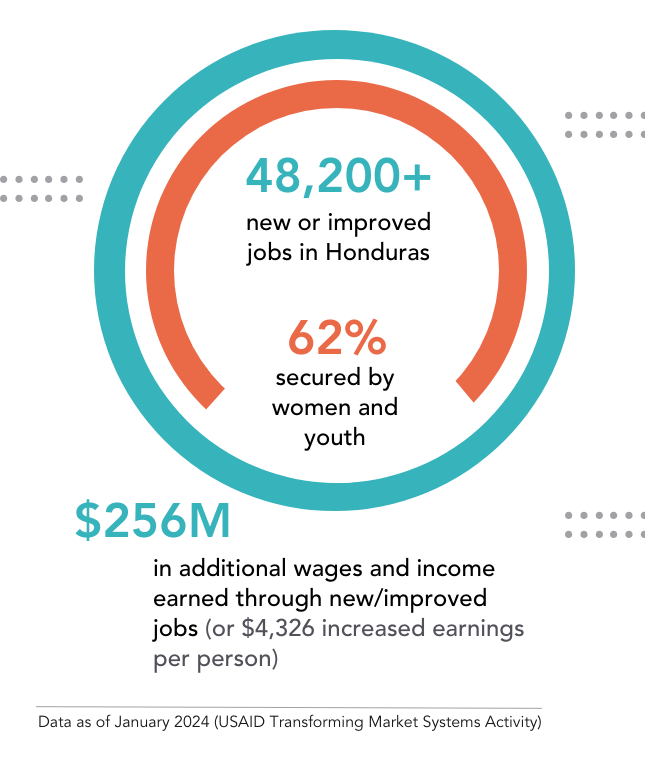
From 2018 to 2025, the USAID/Honduras Transforming Market Systems Activity addressed the underlying causes of irregular migration. This resulted in 48,000 new or improved jobs and an additional $256 million in earnings for Honduran workers. The key to this success lies in working within systems—instead of around them. Our partners invested $8.00 for every $1.00 we put in. More than 90 percent of participants expressed their desire to stay and build their futures in Honduras, speaking volumes about what’s possible when there are opportunities for a dignified life in Honduras.
From 2022 to 2024, the Alcances II program helped crisis-affected households in Guatemala and Honduras diversify their livelihoods and connect to economic markets to earn a more stable income. More than 1,000 people, particularly older adults, single mothers, and youth, completed training in topics related to employability. In Honduras, 683 individuals secured jobs, surpassing the target of 300 new jobs. More secure jobs mean fewer incentives to migrate.